Cleveland has a long history of generosity. The Cleveland Foundation, created here in 1914, was the world's first community foundation, and today Northeast Ohio is home to thousands of nonprofits doing everything from feeding families to restoring neighborhoods. That's a lot of good work competing for the same donors, volunteers, and attention. Most of these organizations run on small teams, and marketing usually falls to whoever has a spare hour. This guide covers what actually moves the needle for a nonprofit with a limited budget, based on the work we've done with mission-driven clients like Hannah's Home.
- Real stories told on video do more to build donor trust than statistics or mission statements.
- Eligible 501(c)(3) nonprofits can get up to $10,000 per month in free Google Search ads through Google Ad Grants.
- Email is the highest-return channel for most nonprofits because it reaches people who already support you.
- Giving Tuesday falls on December 1, 2026, so the next two weeks are the time to plan and schedule your campaign.
Why Do Cleveland Nonprofits Need a Digital Marketing Plan?
Because that's where people decide whether to give. Before someone donates, volunteers, or attends your gala, they look you up on their phone. They check your website, scroll your Facebook page, and maybe read your Google reviews. If what they find is outdated or confusing, many of them simply move on.
A plan doesn't have to be complicated. It has to answer three questions: who you need to reach (donors, volunteers, clients, or partners), what you want them to do, and which channels will get you there with the time and money you actually have. A food pantry in Parma looking for weekend volunteers needs a very different plan from a Cleveland arts organization trying to sell season tickets, even if both post on the same platforms.
Digital channels also give nonprofits something print and events never could: measurement. You can see which email brought in donations, which post recruited volunteers, and which page people leave without acting. That lets a small team put its limited hours where they work.
"People don't give to organizations. They give to people and to stories they can see themselves in."
How Can Nonprofits Use Video to Tell Their Story?
Use video to show the people your mission serves, in their own words. A one-minute story from someone whose life changed will do more for your fundraising than a five-minute overview of your programs. Video lets donors see the impact of their gift, and it works on every channel: your website, social media, email, and the screen at your annual dinner.
For Hannah's Home, a pregnancy resource center, we produced a series of client testimonial videos, including Anna's, Carmen's, and Crystal's stories. Each one is told by the woman who lived it, describing what she was facing and how Hannah's Home walked alongside her. These are the videos that move people, because they make the mission personal.
Make one shoot work across the whole year
Professional video production is an investment, so plan each shoot to produce more than one video. A single day can capture several interviews plus b-roll of your programs, staff, and volunteers. From that footage you can cut:
- A main story video for your website and annual event
- Short vertical clips (15 to 45 seconds) for Instagram Reels, Facebook, and TikTok
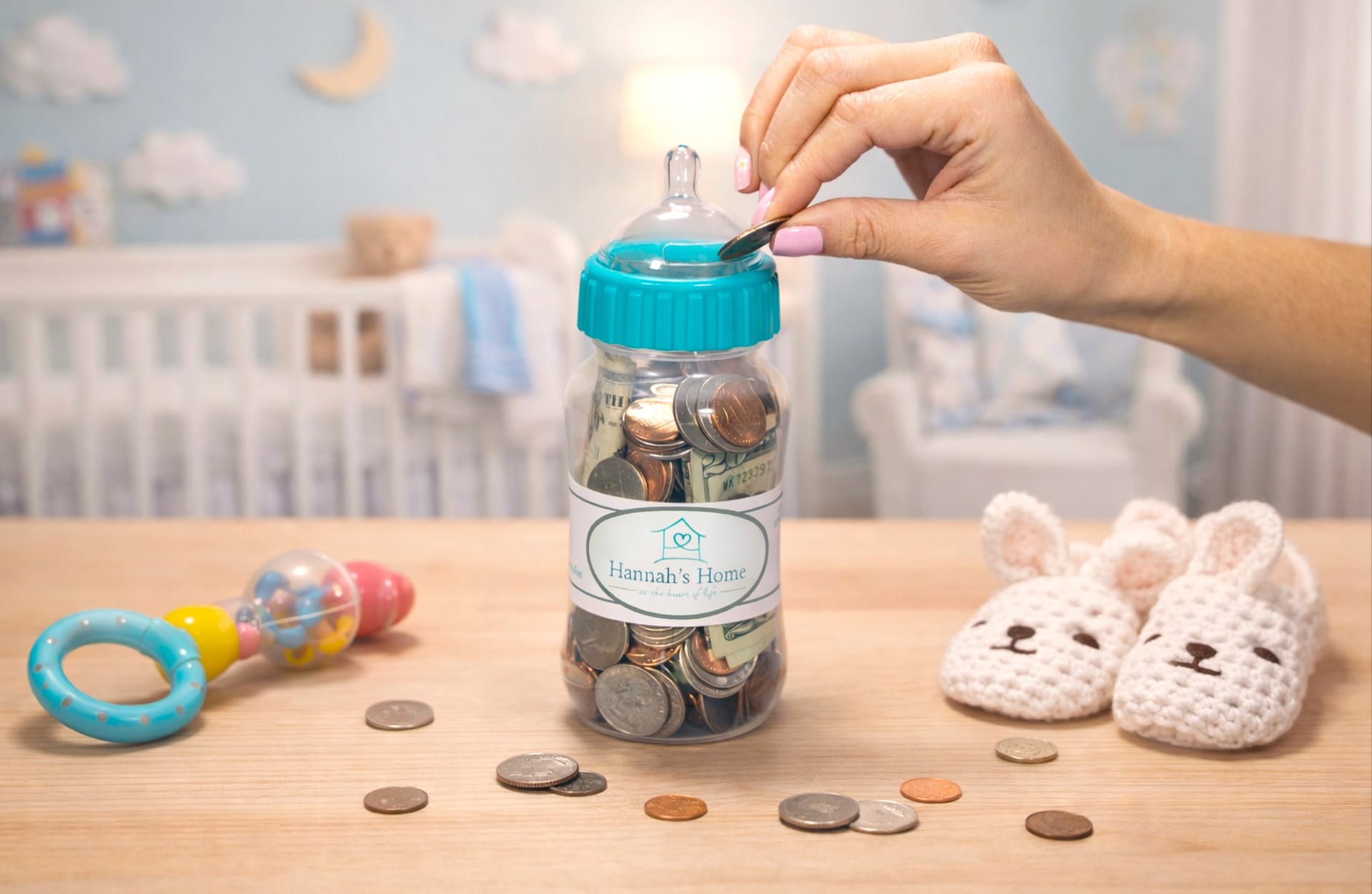
- Campaign videos with a clear ask, like the Baby Bottle Campaign video we made to encourage local families and businesses to fill bottles with donations
- Thank-you videos to send donors after they give
The people you serve are trusting you with their stories. Get written consent, let them review the final cut, and never pressure anyone to share more than they're comfortable with. Ethical storytelling protects both the people you serve and your credibility with donors.
What Is Google Ad Grants, and Should Your Nonprofit Apply?
Google Ad Grants gives eligible nonprofits up to $10,000 per month in free search advertising on Google. If your organization qualifies, it's one of the most valuable free marketing resources available. Your ads can show when someone in Northeast Ohio searches for "volunteer opportunities in Cleveland," "donate baby supplies near me," or whatever matches your mission.
In the U.S., you generally need current 501(c)(3) status and a Google for Nonprofits account. Government entities, hospitals and healthcare organizations, and schools and universities aren't eligible. The grant also has ongoing rules. The most important one is keeping your account's click-through rate at 5% or higher. Accounts that miss it two months in a row can be suspended.
That's where many nonprofits get stuck. They get approved, set up a few broad campaigns, and either spend almost none of the grant or lose it within a few months. A well-structured account built around specific searches, tied to useful landing pages, and tracking real conversions like donations and volunteer sign-ups is what makes the grant worthwhile. If you're unsure where to start, our pay-per-click team can audit an existing account or help you set one up correctly.
Don't skip the free basics of search
Ad Grants works best alongside the fundamentals. Claim and complete your Google Business Profile with accurate hours, photos, and donation drop-off details. Make sure your website loads quickly on a phone and has a clear page for each way to get involved. If you want to learn more about showing up in local searches, our guide to local SEO in Cleveland covers the basics.
How Should Nonprofits Use Social Media?
Use social media to show your community the work happening every day, and to thank the people who make it possible. Nonprofits don't need to be on every platform. Pick the one or two where your supporters actually spend time. For most Northeast Ohio nonprofits, that's Facebook for donors and older volunteers, plus Instagram for younger supporters.
The content that performs best for nonprofits is usually the simplest:
- Volunteer spotlights. Thanking a volunteer by name gives them something to share, and their friends see your organization through someone they trust. We built a volunteer appreciation series for Hannah's Home for exactly this reason.
- Behind-the-scenes moments. Sorting donations, setting up an event, or the first day of a new program. Real moments build more trust than polished graphics.
- Specific needs. "We need 40 winter coats by Friday" gets far more response than "Please support our mission."
- Progress updates. Show what last month's donations accomplished. People give again when they see their first gift made a difference.
Consistency matters more than volume. Two or three good posts a week, every week, beats a burst of daily posts that stops when the event is over. If your team doesn't have the time, social media management is one of the easiest pieces to hand off.
How Can Events Keep Working After They're Over?
Capture them. Galas, ribbon cuttings, fundraisers, and volunteer days create some of the best content a nonprofit will have all year, but most of it disappears once the night is over. Professional photos and video turn a single evening into months of social posts, email headers, website images, and next year's sponsor deck.
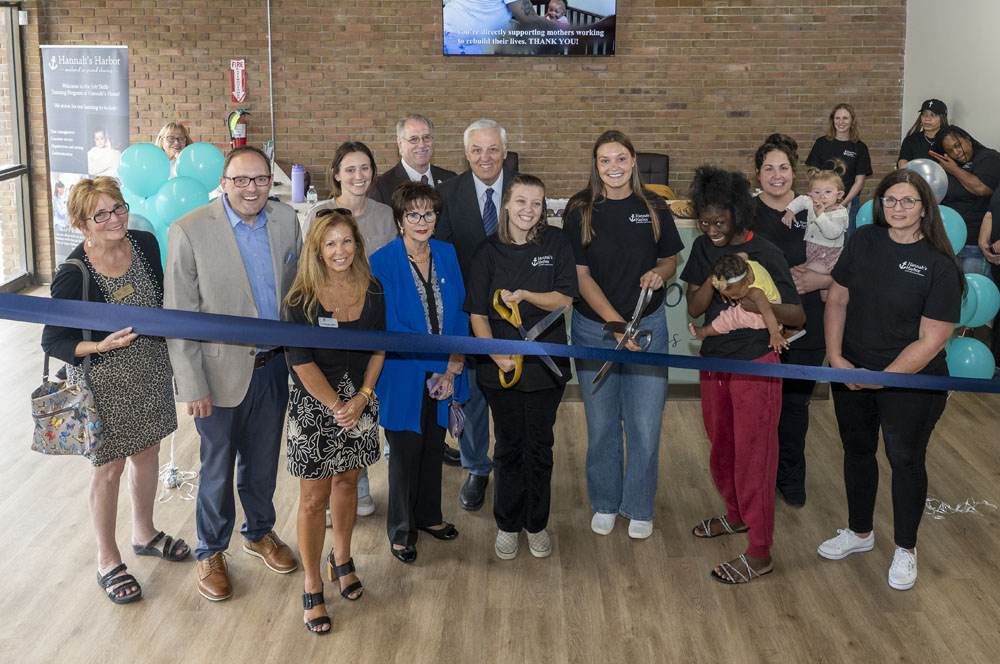
When Hannah's Home opened its Hannah's Harbor thrift store, a new revenue stream that funds its pregnancy support programs, we covered the grand opening with both event photography and video. Staff, volunteers, local officials, and shoppers all came through on day one. Those images now show supporters what their donations built, and they help explain a new way to give: shopping and donating goods at the store.
Before your next event, make a simple shot list: the moment of the ask, guests reacting, volunteers at work, sponsors' signage, and a group photo. Then decide in advance where the photos will go, so they're actually used.
"An event lasts one night. The photos and video from it can work for you all year."
How Should Your Nonprofit Prepare for Giving Tuesday?
Plan one clear campaign with a specific goal, tell one story, and spread it across email and social media in the days leading up to it. Giving Tuesday falls on Tuesday, December 1, 2026, the Tuesday after Thanksgiving. It has become one of the biggest days of the year for online giving: according to the GivingTuesday Data Commons, Americans gave about $4.0 billion on Giving Tuesday 2025, up from $3.6 billion the year before.
You're competing with every other nonprofit in people's inboxes that day, so being specific matters. "Help us raise $15,000 to provide 300 families with winter essentials" gives people a goal to rally around. "Support us this Giving Tuesday" doesn't.
A simple two-week Giving Tuesday plan
- Now: Set your goal, choose your story, and find a matching-gift sponsor if you can. A match is one of the strongest motivators you can offer.
- The week before: Send a save-the-date email, share the story video or photos on social media, and update your donation page so it matches the campaign.
- Giving Tuesday: Send a morning email with the ask, a midday progress update, and a final evening push. Post progress on social media throughout the day.
- The days after: Thank every donor within 48 hours and share the final result. Then move straight into your year-end appeal.
Before you send a single email, try donating on your phone. If it takes more than a minute, asks for information you don't need, or sends people to a page that doesn't match your campaign, fix it. Every extra step costs you gifts.
Email does most of the work on Giving Tuesday and at year-end, because it reaches people who already know and support you. If your list needs attention, our post on email marketing for small businesses covers list building, deliverability, and automation. Almost all of it applies to nonprofits too. For help planning and designing the campaign itself, see our email campaign services.
How Should Nonprofits Measure Digital Marketing Results?
Measure what your mission depends on: donations, recurring donors, volunteer sign-ups, and event registrations. Likes and followers are nice, but they don't keep the lights on. Set up conversion tracking in Google Analytics for each of these actions, and add UTM tags to the links in your emails and posts so you can see which ones produced results.
Review the numbers monthly and after every campaign. Which email had the most donations? Which post brought in volunteers? Did the Ad Grants traffic convert, or did people leave the landing page? Small adjustments based on real data add up quickly, and they give your board and funders a clear picture of what marketing is accomplishing.
Digital marketing for nonprofits isn't about doing everything. It's about telling your story well and putting it in front of the people most likely to care. Start with a few strong stories, a clean email list, and a free Google Ad Grant if you qualify, then build from there. If you'd like to see how this looks in practice, explore our full Hannah's Home case study, or read our broader guide to digital marketing in Cleveland.
For most small nonprofits, email is the best starting point because it reaches people who already support you and costs very little. Pair it with one social platform your community actually uses and a Google Business Profile so local people can find you.
Google Ad Grants gives eligible nonprofits up to $10,000 per month in free Google Search ads. In the U.S., organizations generally need valid 501(c)(3) status and a Google for Nonprofits account; government entities, hospitals, and schools are not eligible.
Start about four to six weeks out with a save-the-date and your campaign story, then increase frequency the week before. On the day itself, send several short updates by email and social media showing progress toward your goal.
Plan one professional shoot that captures several stories and plenty of b-roll, then cut it into a main video plus short clips for social media, email, and events. Fill the gaps with simple phone video from volunteers and staff.
Track outcomes tied to your mission: online donations, recurring donors, volunteer sign-ups, and event registrations. Use UTM tags on links so Google Analytics shows which emails, posts, and ads actually produced those results.